


The short answer
Namtech builds your app through one repeatable process with six steps — Discover, Design, Build, Test, Launch, Support — and a single project manager owns the whole thing from the first scoping call to post-launch. You get iOS and Android from one codebase on one release cycle, a fixed quote after one scoping call, milestone-based billing, and QA on real devices before we submit to the App Store and Google Play.
The point of one team, end to end, is simple: there's no handoff where things get lost, and there's one person accountable for the outcome. Namtech is a Singapore mobile app studio serving clients worldwide, and every project runs this same path.
| Step | What happens |
|---|---|
| 1. Discover | One scoping call defines what the app must do, who uses it and what it integrates with — this produces the fixed quote. |
| 2. Design | Screens and flows are agreed before any production code, pinning down roles and edge cases while changes are cheap. |
| 3. Build | iOS and Android are built from one codebase on one release cycle, billed against agreed milestones. |
| 4. Test | QA runs on real devices, not just simulators, and fixes land before the app reaches a store queue. |
| 5. Launch | Coordinated App Store and Google Play submission; store accounts, hosting and third-party fees billed at cost. |
| 6. Support | Maintenance from 15% of build cost per year — monitoring, OS updates, security patches, minor improvements, priority support. |
Step 1 — Discover
We start with one scoping call to understand what the app must do, who uses it, and what it needs to integrate with. That call is what turns a rough idea into a fixed quote. We don't ask for full payment upfront and we don't pad the estimate with vague ranges — you get a defined scope and a price you can plan around. If the app handles personal or financial data, compliance (for example Singapore PDPA) is scoped as an explicit line item so it's never buried in the base price.
Step 2 — Design
Once scope is agreed, we design the screens and flows before anyone writes production code. This is where roles, journeys and edge cases get pinned down on the cheap — a change to a design is a conversation, a change to built software is a re-quote. Designing up front is also what makes cross-platform delivery clean: we plan one experience that works on both iOS and Android rather than bolting the second platform on later.
Step 3 — Build
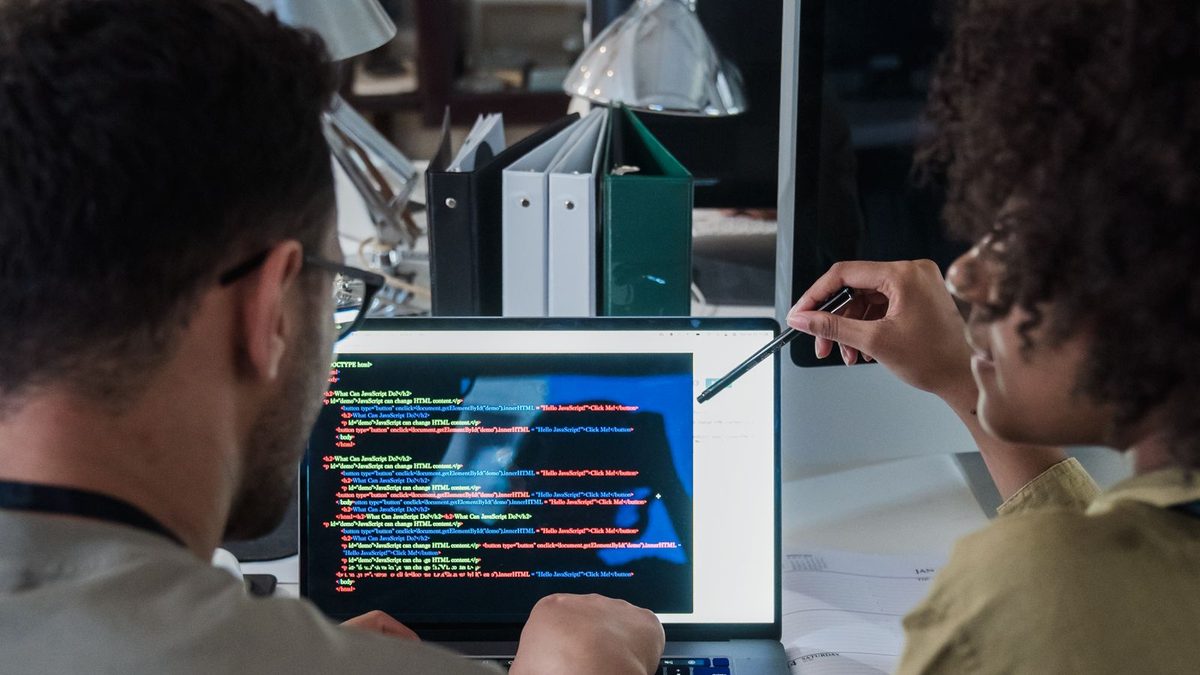
We build iOS and Android from one codebase, on one release cycle. That means both platforms move together — no version drift where the Android app is two releases behind, and no double team building the same feature twice. Progress is tied to deliverables, which is also how you get billed: a deposit to begin, then payments tied to agreed milestones. If scope changes during the build, we re-quote that change explicitly rather than absorbing it into a surprise invoice.
Step 4 — Test
Before anything ships, we run QA on real devices — not just simulators. Emulators are useful, but real phones expose the things that actually break in the wild: performance on older hardware, permission prompts, network drop-outs, and how the app behaves across real screen sizes. We fix what testing finds before the app goes anywhere near an app store queue.

Step 5 — Launch
When the build passes QA, we handle the App Store and Google Play submission for you. Because it's one codebase on one release cycle, both stores get a coordinated launch rather than a staggered scramble. App store developer accounts, hosting and any third-party service fees are billed at cost — you pay what they cost, with no markup hidden inside the project price.
Step 6 — Support
Launch is the start of the app's life, not the end of the project. Ongoing maintenance and support starts from 15% of the build cost per year, covering monitoring, OS-version updates, security patches, minor improvements and priority support. Operating systems change, devices change, and security patches keep coming — support is how your app stays healthy after it ships.
How long it takes, and what it costs
Timelines depend on tier: a Starter/MVP ships in 8–12 weeks, a Business app in 12–20 weeks, and an Enterprise platform is scoped per project. Published starting points are SGD 20,000 for Starter/MVP, SGD 38,000 for Business, and SGD 90,000 for Enterprise — with a fixed quote confirmed after that first scoping call. Throughout all six steps, the same project manager stays with you, so there's always one person who knows the whole story.
| Tier | Timeline | Price (from, SGD) |
|---|---|---|
| Starter/MVP | 8–12 weeks | 20,000 |
| Business | 12–20 weeks | 38,000 |
| Enterprise | Scoped per project | 90,000 |
Namtech's published starting points. Your fixed quote and timeline are confirmed after one scoping call.
Start with one call
If you have an app in mind, the fastest way to a real number and a real plan is one scoping call. Get in touch to book it, or see the tiers and what's included on our pricing page. You'll leave with a fixed quote, a timeline, and one project manager owning it end to end.